ONE SERVING
Ingredients
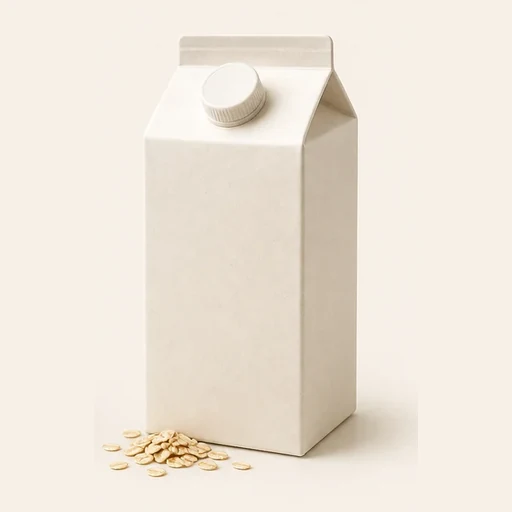
- 60 ml (¼ cup) refrigerator-cold barista oat milk
- 1–2 teaspoons vanilla or maple syrup, optional
- Tiny pinch of fine salt, optional
- Cold brew, iced coffee or iced matcha for serving
THE METHOD
Step-by-step
- 01
Chill the oat milk, a narrow container and the frother whisk.
- 02
Add 60 ml oat milk and 1 teaspoon syrup. Keep at least half the container empty.
- 03
Froth just below the surface for 7–10 seconds to introduce air without splashing.
- 04
Move the whisk slightly deeper for another 12–18 seconds to refine the bubbles.
- 05
Tap once, swirl gently and pour the foam over an iced drink immediately.
01
Choose barista oat milk for better bubbles
Not every oat milk is designed to foam. Barista-style cartons usually contain a balance of fat, protein and stabilizers that helps bubbles form and last. Standard oat drinks can still work, but they often make a looser layer that blends into coffee more quickly.
Shake the carton before measuring because ingredients can settle during storage. If one brand stays flat after two careful attempts, changing the milk will usually help more than frothing it longer.
02
Temperature matters more with oat milk
Start with oat milk directly from the refrigerator. A cold mixture gives you more time to introduce air before the foam becomes loose. Chilling the pitcher or glass for five minutes also helps, especially in a warm kitchen.
Do not warm the oat milk first and then cool it for this recipe. Heat changes the way some plant-milk ingredients behave, and the result may not return to its original frothing performance.
03
Use a slightly longer two-depth froth
Hold the whisk barely below the surface at first. You want a soft tearing sound and steady circulation, not large splashes. Oat milk often needs a few seconds longer than dairy milk to show a visible increase in volume.
Once a light cap forms, lower the whisk so the liquid moves in a small vortex. This second stage breaks down coarse bubbles and produces the smoother texture that makes cold foam pleasant to sip.
04
Sweeten without weighing it down
One teaspoon of thin vanilla, maple or brown-sugar syrup per 60 ml oat milk is enough for a balanced topping. Use two teaspoons only when the drink underneath is unsweetened or strongly flavored.
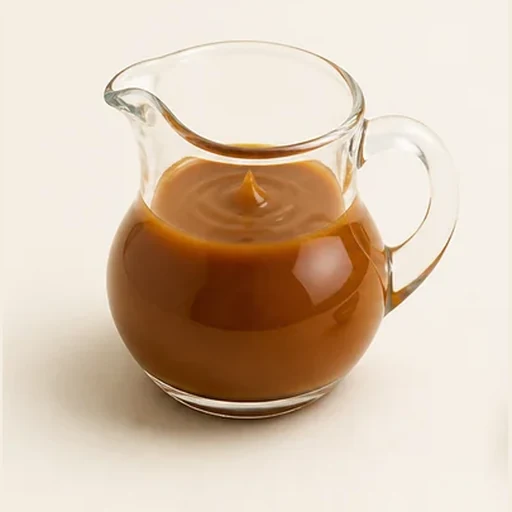
Avoid adding thick caramel sauce directly to this dairy-free foam. It can make the mixture heavy. Put the sauce in the drink or use a thin caramel syrup in the foam instead.
05
Fix runny or oversized oat bubbles
Runny foam usually points to a milk that is not formulated for frothing, ingredients that are too warm or a whisk held too deep from the beginning. Large dry bubbles mean too much air was added at the surface. Finish deeper and stop before the top looks stiff.
Serve oat foam immediately. Even a good dairy-free foam may merge with coffee faster than low-fat dairy foam, but it should still create a creamy first sip and a visible layer for several minutes.
QUICK ANSWERS
Frequently asked questions
Can oat milk make cold foam?
Yes. Very cold barista-style oat milk is the most reliable option because it is formulated to hold air better than many standard oat drinks.
Why is my oat milk not foaming?
The milk may be too warm, the whisk may be too deep or the carton may not be formulated for frothing. Try a chilled barista blend and begin near the surface.
How long should I froth oat milk for cold foam?
Most servings need about 20–30 seconds: 7–10 seconds near the surface, followed by 12–18 seconds slightly deeper.
What flavor works best with oat milk cold foam?
Vanilla, maple, brown sugar and cinnamon pair naturally with oat milk. Use thin syrup and keep the amount modest so the foam stays light.
Turn this guide into your recipe.
Choose your serving size and preferences, practice the technique, then take home a personalized formula.