
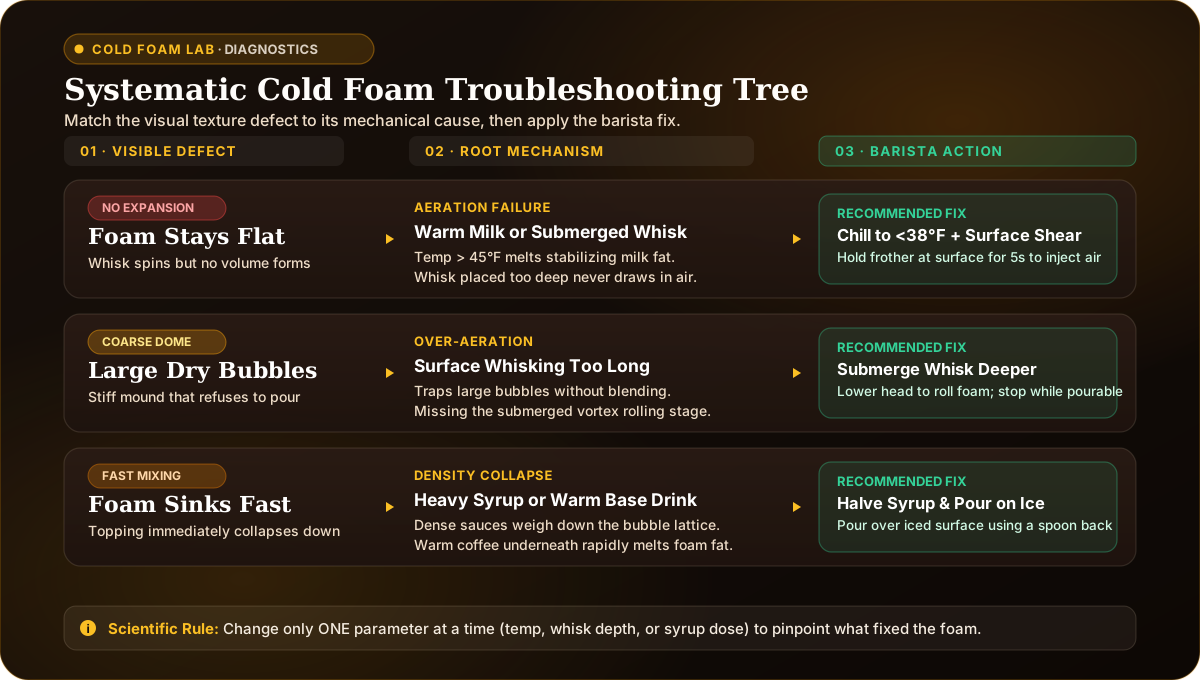
Start with the symptom
Describe what you can see: no volume, large bubbles, a stiff texture, immediate sinking or visible grit. The failure diagnosis tool separates these symptoms because flat foam needs a different fix from foam that expanded and then became dry.
Try the first suggestion, then check the next batch. If colder milk does not help, keep the temperature stable and test tool depth next.

Control temperature and batch shape
Cold ingredients give you a consistent starting condition. Container width and fill level affect whether the tool can pull in air and circulate the mixture. A small volume in a very wide bowl is difficult to work with using a handheld frother.
Choose a container with enough empty space for expansion, but enough liquid depth to cover the working part of the tool.
Separate aeration from refinement
Many methods benefit from two conceptual stages: first introduce air, then circulate the mixture to reduce the largest bubbles. Staying at the surface for too long can make a coarse, dry cap; staying too deep can move the milk without adding much air.
The exact movement depends on the tool. The goal is not to imitate a timer but to move from expansion toward an even, pourable texture.

Keep additions simple
Thick sauces, fruit solids and undissolved powders add flavor but can also weigh down or roughen the foam. Begin with a plain base, then add one measured flavoring. If the plain version works and the flavored one does not, compare a smaller amount in the ingredient substitution calculator.
Strain fruit or infused syrup when texture matters. Let the drink carry some sweetness instead of forcing every flavor into the foam.
QUICK ANSWERS
Frequently asked questions
What should I change first when foam stays flat?
Begin with cold ingredients and a narrower container, then check whether your opening technique actually introduces air.
Why is my foam dry?
It may contain too much air or have been worked too long without a deeper refinement stage.
Can syrup stop milk from foaming?
A large amount of thick syrup can weigh down the mixture, so compare a plain batch with a lightly flavored one.
Build a recipe for your cup.
Choose a cup size, milk and sweetness to get the amounts and first texture cue.